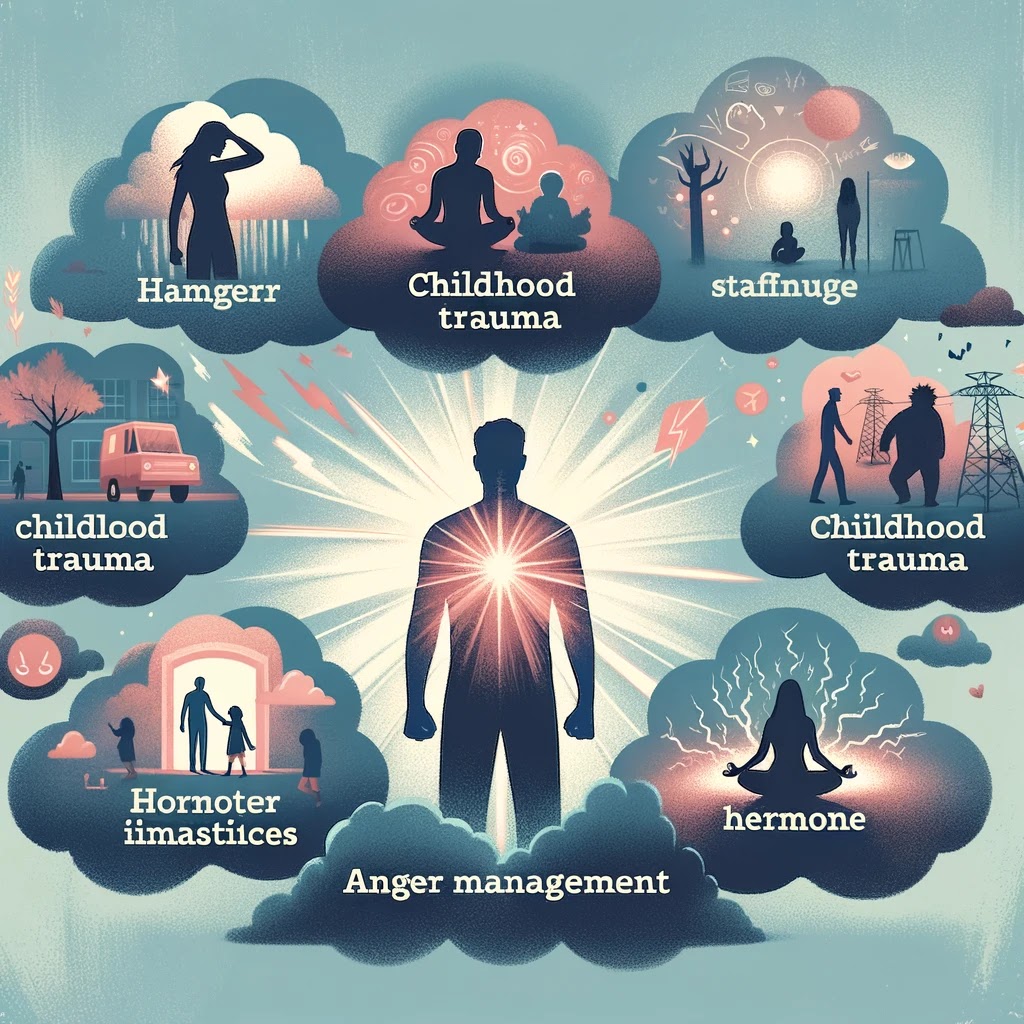
Anger Issues and Their Causes
Introduction
Anger is a natural emotional response to frustration, injustice, or perceived threats. While anger itself is not inherently harmful, problems arise when it becomes frequent, intense, or uncontrollable, leading to anger issues. Anger issues can harm relationships, reduce life satisfaction, and negatively affect mental and physical health. Understanding the root causes of anger is essential for managing it effectively and breaking the destructive cycle it can create.
What Are Anger Issues?
Anger issues refer to difficulties in controlling anger or experiencing anger in ways that are excessive, inappropriate, or destructive. People with anger issues may have intense outbursts, act aggressively, or find themselves regularly struggling to keep their emotions in check. Anger issues are not a singular condition; they can manifest differently in each person, from physical aggression to verbal abuse, or even internalized anger, where a person silently harbors resentment.
Causes of Anger Issues
1. Emotional and Psychological Factors
Unresolved Trauma: Past experiences of abuse, neglect, or trauma can lead to deeply rooted anger. Individuals may carry unresolved pain that surfaces as anger when triggered by situations reminding them of past trauma.
Mental Health Disorders: Conditions like depression, anxiety, borderline personality disorder, and PTSD can contribute to anger issues. These disorders often heighten emotional responses, making it harder to regulate anger.
Stress and Anxiety: Chronic stress and anxiety often lead to frustration and irritability, creating a foundation for anger issues. When a person feels overwhelmed, small inconveniences or setbacks may trigger disproportionate anger.
2. Environmental and Social Influences
Family and Upbringing: Growing up in a household where anger was poorly managed can affect how a person learns to express emotions. For example, a child who witnesses aggressive behaviors or unresolved conflicts may adopt similar behaviors in adulthood.
Social and Peer Pressure: In some cases, social environments or cultural expectations may reinforce aggressive behavior as acceptable or necessary. Peer pressure and societal influences can further affect anger expression, especially in younger individuals.
Workplace and Life Pressures: Workplace stress, financial issues, and societal expectations can lead to frustration. When these pressures are ongoing, they can accumulate, making people more prone to anger issues.
3. Biological and Neurological Factors
Genetic Predisposition: Research indicates that genetics may play a role in how we respond to anger. Certain individuals might be more biologically inclined to experience intense anger due to inherited temperament traits.
Hormonal Imbalances: Hormones like cortisol (the stress hormone) and testosterone are linked to aggression and irritability. When these hormones are out of balance, a person may become more prone to anger and frustration.
Brain Chemistry and Neurological Conditions: Some neurological conditions, such as ADHD or brain injuries, can impair impulse control, making it harder for individuals to manage anger.
4. Substance Use and Addiction
Drugs and Alcohol: Substance abuse, particularly involving stimulants or alcohol, can lower inhibitions and amplify aggressive tendencies. People struggling with substance use issues may have less control over their anger, leading to harmful outbursts.
Withdrawal Symptoms: Those who are in the process of recovery may experience anger as a withdrawal symptom. Substance use often numbs certain emotions, so without it, intense feelings like anger may resurface during recovery.
Conclusion
Understanding the causes of anger issues is the first step toward managing them effectively. Each individual may have different contributing factors, which could be a combination of emotional, environmental, biological, or substance-related elements. Recognizing these root causes enables people to approach anger with greater self-awareness, seek appropriate help, and adopt techniques for healthy emotional regulation.
In Urdu:
غصے کے مسائل اور ان کی وجوہات
تعارف
غصہ ایک قدرتی جذباتی ردعمل ہے جو ناانصافی، دباؤ یا کسی ممکنہ خطرے کے جواب میں ظاہر ہوتا ہے۔ اگرچہ غصہ بذاتِ خود نقصان دہ نہیں، لیکن جب یہ بار بار، شدت سے یا بے قابو ہوجائے تو یہ مختلف مسائل کا باعث بن سکتا ہے۔ غصے کے مسائل رشتوں پر منفی اثر ڈالتے ہیں، زندگی میں اطمینان کو کم کرتے ہیں اور ذہنی و جسمانی صحت کو نقصان پہنچا سکتے ہیں۔ اس کی جڑوں کو سمجھنا ضروری ہے تاکہ غصے کو مؤثر انداز میں کنٹرول کیا جا سکے اور نقصان دہ رویے سے بچا جا سکے۔
غصے کے مسائل کیا ہیں؟
غصے کے مسائل کا مطلب ہے کہ کسی شخص کو اپنے غصے پر قابو پانے میں مشکل پیش آتی ہے یا وہ ایسے انداز میں غصہ ظاہر کرتا ہے جو شدید، غیر موزوں یا نقصان دہ ہوتا ہے۔ ایسے افراد کو شدید غصے کے دورے پڑ سکتے ہیں، یا تو وہ جسمانی جارحیت یا زبانی تشدد پر اتر آتے ہیں یا پھر اپنے اندر غصہ پال کر رکھتے ہیں، جو کہ اندرونی طور پر بھی نقصان دہ ثابت ہو سکتا ہے۔
غصے کے مسائل کی وجوہات
1. جذباتی اور نفسیاتی عوامل
حل نہ ہونے والے صدمات: ماضی میں کسی صدمے یا زیادتی کا شکار ہونے والے افراد اپنے اندر درد اور غم کو چھپائے رکھتے ہیں جو بعض حالات میں غصے کی صورت میں باہر آتا ہے۔
ذہنی صحت کے مسائل: ڈپریشن، اینگزائٹی، بارڈر لائن پرسنالٹی ڈس آرڈر اور پی ٹی ایس ڈی جیسے مسائل غصے کو بڑھا سکتے ہیں۔
دباؤ اور پریشانی: مستقل دباؤ اور پریشانی کا شکار افراد اکثر چڑچڑے اور غصیلی ہوجاتے ہیں، جس سے چھوٹی چھوٹی باتیں انہیں غصہ دلانے لگتی ہیں۔
2. ماحولیاتی اور سماجی اثرات
خاندانی پس منظر: ایسے گھر میں پرورش پانے والے افراد جہاں غصے کو مؤثر انداز میں حل نہ کیا گیا ہو، اکثر بڑے ہوکر بھی غصے کو غلط طریقے سے ظاہر کرتے ہیں۔
سماجی اور گروہی دباؤ: کچھ ماحول میں جارحانہ رویے کو قبول کیا جاتا ہے یا پھر سماجی دباؤ کی وجہ سے افراد غصہ اور تشدد کی طرف مائل ہو جاتے ہیں۔
کام اور زندگی کی مشکلات: کام کا دباؤ، مالی مسائل اور معاشرتی توقعات بھی غصے کا سبب بنتے ہیں، خاص طور پر جب یہ مسائل مستقل ہوں۔
3. حیاتیاتی اور عصبی عوامل
وراثتی رجحان: تحقیق سے یہ بات ثابت ہوتی ہے کہ بعض افراد کا مزاج جینیاتی طور پر ایسا ہوتا ہے کہ وہ زیادہ شدت سے غصہ محسوس کرتے ہیں۔
ہارمونز کا عدم توازن: کورٹیسول اور ٹیسٹوسٹیرون جیسے ہارمونز کا عدم توازن غصے اور چڑچڑے پن کا باعث بنتا ہے۔
دماغی کیمیاء اور عصبی حالتیں: بعض عصبی حالتیں، جیسے کہ اے ڈی ایچ ڈی، فرد کی غصے پر قابو پانے کی صلاحیت کو متاثر کرتی ہیں۔
4. منشیات اور نشہ
منشیات اور شراب: خاص طور پر محرکات یا الکوحل کا استعمال انسان کے روکنے کی صلاحیت کو کمزور کر دیتا ہے اور جارحانہ رویے کو بڑھا دیتا ہے۔
واپسی کے علامات: نشے سے نکلنے کے عمل میں بھی افراد میں غصہ بڑھ جاتا ہے، کیونکہ نشہ چھوڑنے سے جذبات شدت اختیار کر جاتے ہیں۔
نتیجہ
غصے کے مسائل کی وجوہات کو سمجھنا ان مسائل کو مؤثر انداز میں سنبھالنے کا پہلا قدم ہے۔ ہر فرد کی مختلف وجوہات ہو سکتی ہیں، جو جذباتی، ماحولیاتی، حیاتیاتی یا نشے سے متعلق عوامل کا مجموعہ ہو سکتی ہیں۔ ان وجوہات کو پہچان کر افراد زیادہ خود آگاہی کے ساتھ غصے پر قابو پا سکتے ہیں اور بہتر جذباتی نظم و ضبط کے لئے مناسب مدد اور حکمت عملی اپنا سکتے ہیں۔
In Sindhi:
غصي جا مسئلا ۽ انهن جا سبب
تعارف
غصو هڪ قدرتي جذباتي ردعمل آهي جيڪو ناانصافي، دٻاءَ يا ڪنهن امڪاني خطري جي صورت ۾ پيدا ٿئي ٿو. جيتوڻيڪ غصو پنهنجي پاڻ ۾ نقصانڪار ناهي، پر جڏهن اهو بار بار، شدت سان يا بي قابو ٿي وڃي ته اهو مختلف مسئلن جو سبب بڻجي سگهي ٿو. غصي جا مسئلا رشتن تي منفي اثر وجهن ٿا، زندگيءَ ۾ اطمينان کي گهٽ ڪن ٿا ۽ ذهني ۽ جسماني صحت کي نقصان پهچائي سگهن ٿا. انهن جي جڙن کي سمجهڻ ضروري آهي ته جيئن غصي کي موثر طريقي سان ڪنٽرول ڪري سگهجي ۽ نقصانڪار روين کان بچي سگهجي.
غصي جا مسئلا ڇا آهن؟
غصي جا مسئلا مطلب ته ڪنهن شخص کي پنهنجي غصي تي قابو رکڻ ۾ مشڪل پيش اچي ٿي يا هو اهڙي طريقي سان غصو ظاهر ڪري ٿو جيڪو شديد، غير مناسب يا نقصانڪار هجي. اهڙا ماڻهو شديد غصي جا دورا محسوس ڪن ٿا، يا ته جسماني طور تي جارح ٿي وڃن ٿا يا زباني طور تي سخت لفظن جو استعمال ڪن ٿا، يا وري پنهنجي اندر غصو رکڻ جي عادت رکن ٿا جيڪو پڻ اندروني طور نقصانڪار ثابت ٿي سگهي ٿو.
غصي جا مسئلا پيدا ٿيڻ جا سبب
1. جذباتي ۽ نفسياتي عنصر
حل نه ٿيندڙ صدمه: ماضي ۾ صدمه، بدسلوڪي يا ڪنهن سخت تڪليف جو شڪار ٿيل ماڻهو اندروني طور تي درد ۽ غم محسوس ڪن ٿا، جيڪو خاص حالتن ۾ غصي جي صورت ۾ ظاهر ٿئي ٿو.
ذهني صحت جا مسئلا: ڊپريشن، اينگزائٽي، بارڊر لائن پرسنيالٽي ڊس آرڊر ۽ پي ٽي ايس ڊي جهڙا مسئلا غصي کي وڌائڻ ۾ مدد ڏين ٿا.
دٻاءَ ۽ پريشاني: دائمي دٻاءَ ۽ پريشاني ۾ مبتلا ماڻهو عام طور تي چڙچڙا ۽ غصيلا ٿي وڃن ٿا، جنهن جي ڪري ننڍين ڳالهين تي غصي ۾ اچي وڃن ٿا.
2. ماحولياتي ۽ سماجي اثرات
خانداني پس منظر: اهڙي گھر ۾ پروان چڙهڻ وارا ماڻهو، جتي غصي کي مناسب طريقي سان حل نه ڪيو وڃي، وڏي ٿي پنهنجي غصي کي غلط طريقي سان ظاهر ڪن ٿا.
سماجي ۽ گروهي دٻاءُ: ڪجهه ماحول ۾ جارحانه رويو قبول ڪيو وڃي ٿو يا سماجي دٻاءَ جي ڪري ماڻهو غصي ۽ تشدد طرف مائل ٿي وڃن ٿا.
ڪم ۽ زندگي جا مسئلا: ڪم جو دٻاءُ، مالي مسئلا ۽ معاشرتي اميدون به غصي جو سبب بڻجن ٿا، خاص طور تي جڏهن اهي مسئلا مستقل ٿين.
3. حياتي ۽ عصبي عنصر
وراثتي رجحان: تحقيق مان ثابت ٿيو آهي ته ڪجهه ماڻهن جو مزاج وراثتي طور اهڙو هوندو آهي جو هو وڌيڪ شدت سان غصو محسوس ڪن ٿا.
هارمونز جو توازن نه هجڻ: ڪارٽيسول ۽ ٽيسٽسٽيرون جهڙا هارمونز جو توازن نه هجڻ چڙچڙي ۽ غصي جو سبب بڻجي ٿو.
دماغي ڪيميائي ۽ عصبي حالتون: ڪجهه عصبي حالتون، جهڙوڪ ADHD، ڪنهن شخص جي غصي تي ڪنٽرول ڪرڻ جي صلاحيت کي متاثر ڪن ٿيون.
4. منشيات ۽ نشو
منشيات ۽ شراب: خاص طور تي محرڪن يا الڪوحل جو استعمال انسان جي روڪڻ جي صلاحيت کي گهٽائي ڇڏي ٿو ۽ جارحانه رويو وڌائي ٿو.
واپسي جي علامتون: نشي کان نڪرڻ جي عمل ۾ پڻ ماڻهن ۾ غصو وڌي وڃي ٿو، ڇو ته نشو ڇڏڻ سان جذبات شدت اختيار ڪري وڃن ٿا.
نتيجو
غصي جي مسئلن جا سبب سمجهڻ انهن مسئلن کي موثر طريقي سان سنڀالڻ جو پهريون قدم آهي. هر شخص جا مختلف سبب ٿي سگهن ٿا، جيڪي جذباتي، ماحولياتي، حياتياتي يا نشي سان لاڳاپيل عنصرن جو مجموعو ٿي سگهن ٿا. انهن سببن کي سڃاڻي ماڻهو وڌيڪ خود آگاھ ٿي پنهنجن جذبات تي ڪنٽرول ڪري سگهن ٿا ۽ بهتر جذباتي انتظام لاءِ مناسب مدد ۽ حڪمت عملي اختيار ڪري سگهن ٿا.
Comments
Post a Comment